

Workshop Report · CEBE / UGHE Med Tech Accelerator East Africa
InnoHeza-organized Workshop
of 20 March 2026
Background
Partially working within the East Africa's Regional Center of Excellence in Biomedical Engineering and E-Health (CEBE) laboratory, the East Africa Biodesign (EAB) is the operational core of the Med Tech Accelerator East Africa project, funded by the University of Global Health Equity (UGHE).
In partnership with Stanford Biodesign and other East African local partner institutions, CEBE and UGHE enable collaboration between academia, local and international partners to build an ecosystem that cultivates, fosters, and supports innovative thinking and implementation within local communities — with the ultimate goal of promoting global health equity.
The Workshop
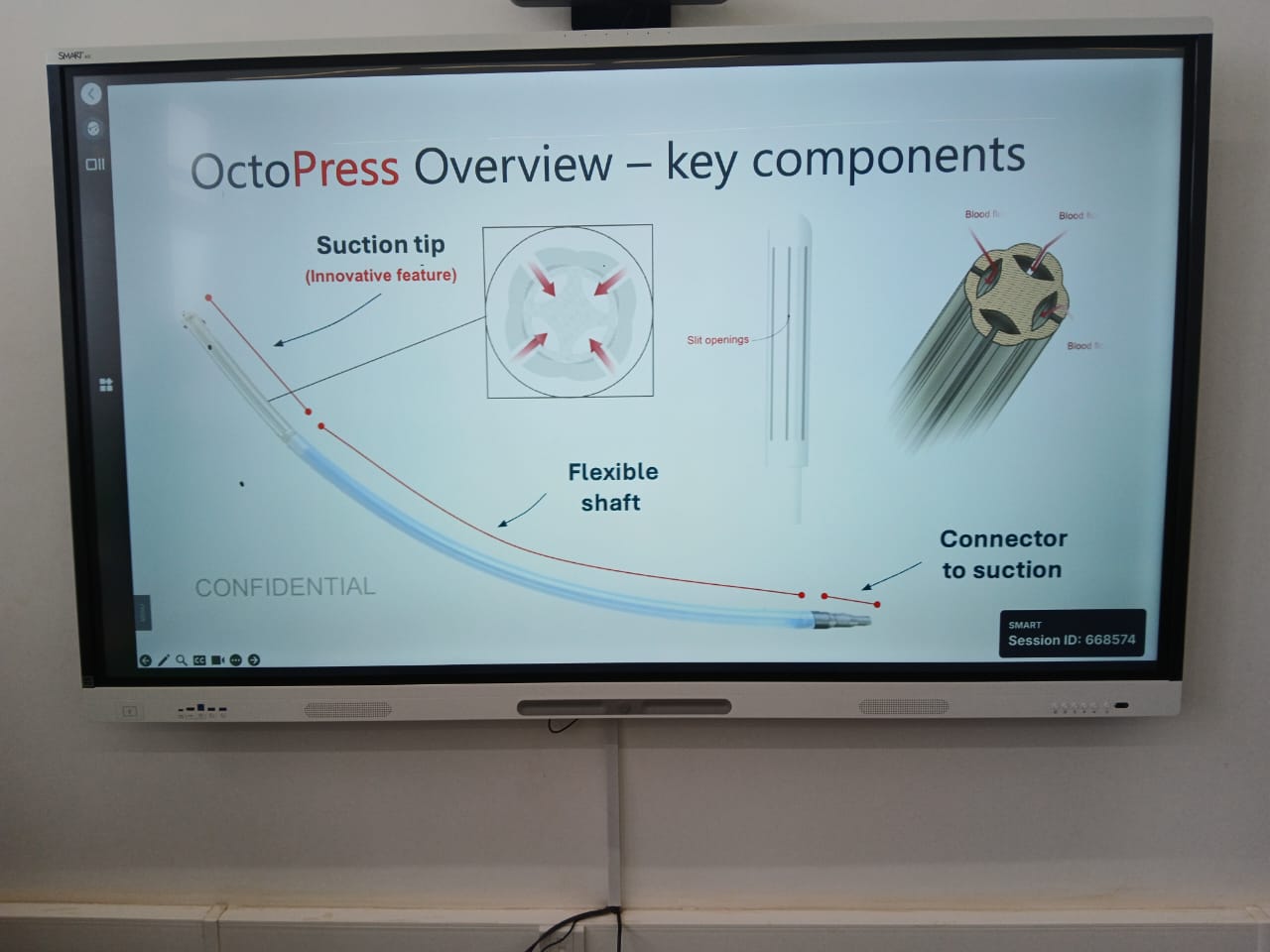
The first cohort of East Africa Biodesign (EAB) Trainees, known as InnoHeza, has been developing a "uterine suction tamponade device for refractory postpartum haemorrhage" since their time in the EAB programme. Over the past months, the team has been advancing the device's design and preparing for a first-in-human study planned in Rwanda.
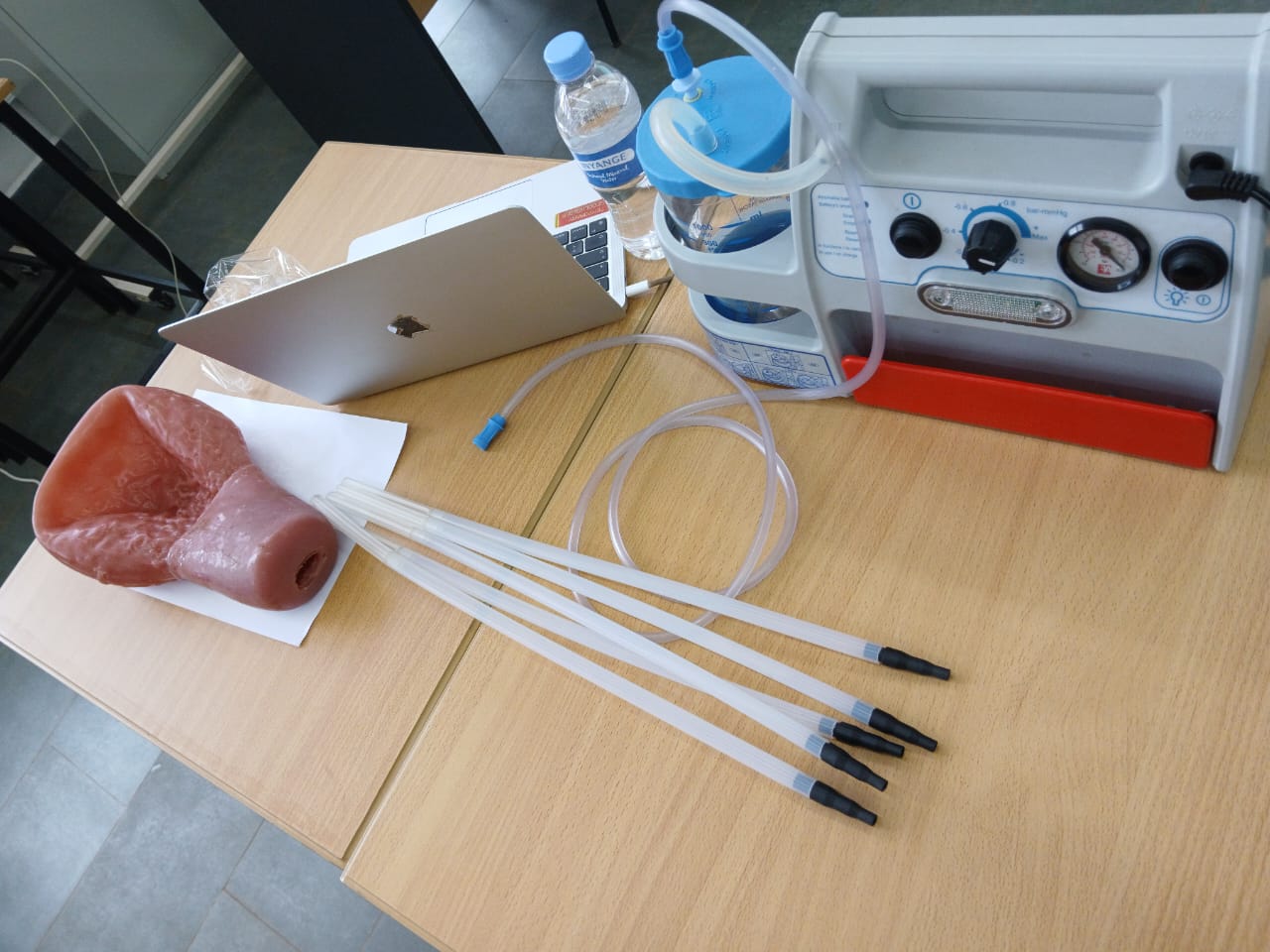
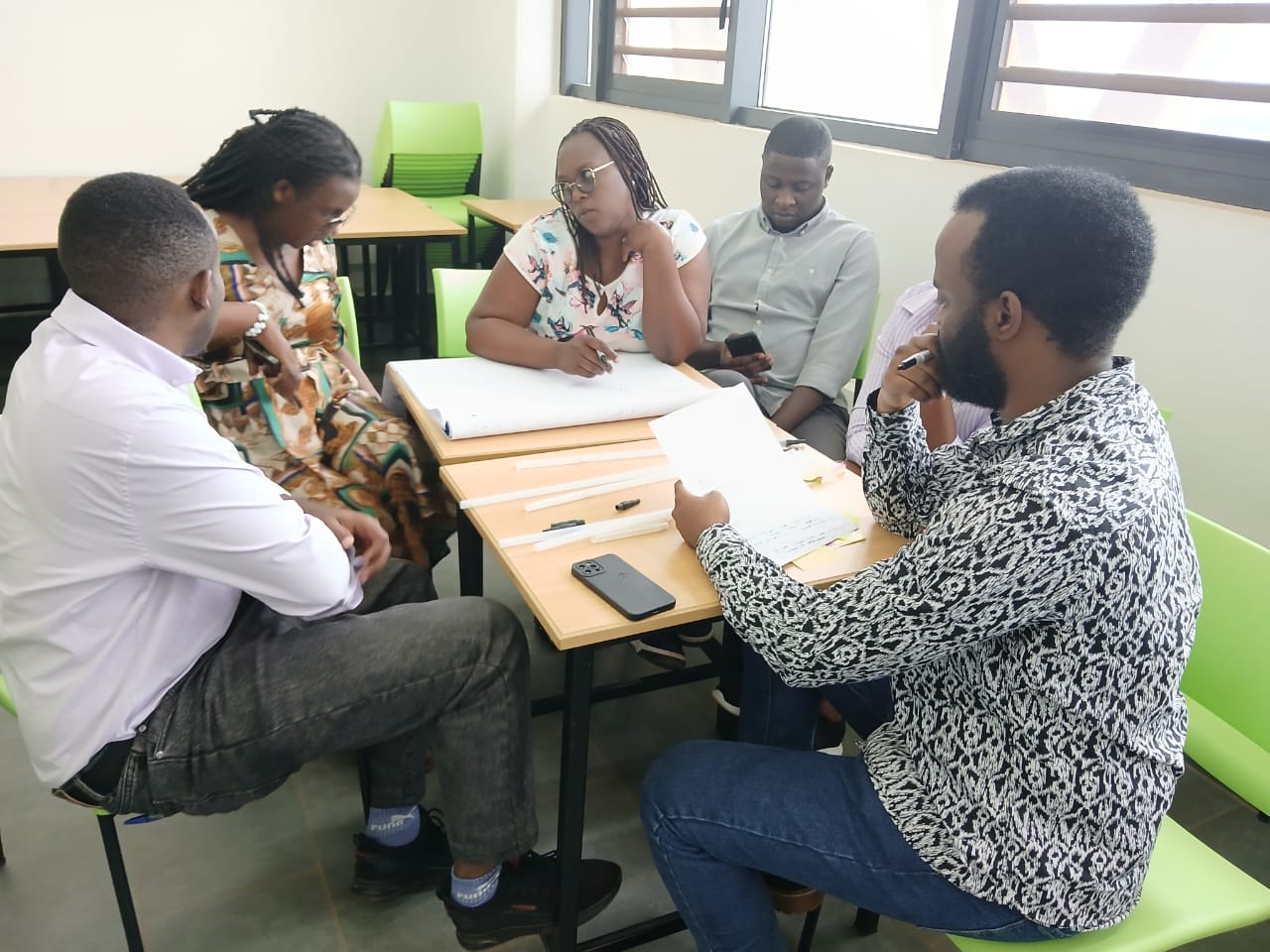
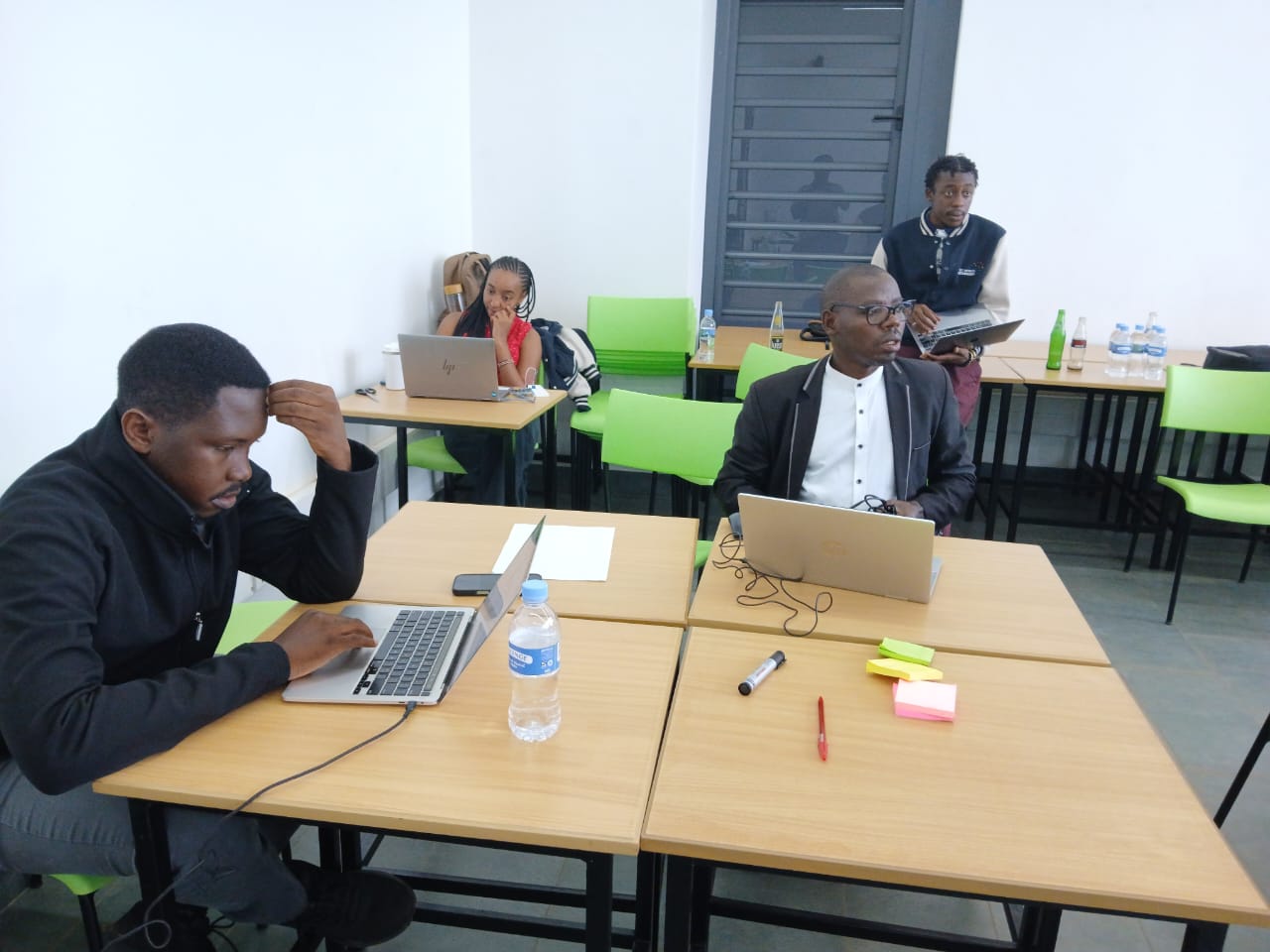
The purpose of the workshop was to review the device, interact with the demonstration prototype, and provide structured feedback before the first-in-human study. Participants included clinicians, midwives, and engineers whose combined expertise ensured a holistic, multi-disciplinary assessment of the device's readiness and safety profile.
Venue
UR CEBE – East Africa Biodesign Lab (demonstration)
Conference Room (structured discussion)
Date & Organiser
20 March 2026
Coordinated by Prof. Gerard Rushingabigwi
Participants
15 – 20 MCH Stakeholders
OBGYNs & Midwives (since 2024)
Focus Device
Uterine suction tamponade device
for refractory postpartum haemorrhage
Objective & Purpose
The validation workshop served a critical milestone within the InnoHeza device development pipeline: to gather structured expert clinical feedback prior to the first-in-human study. Participants were invited to:
- Review the current iteration of the uterine suction tamponade device;;
- Interact with the physical demonstration model in a clinical simulation context
- Provide structured, domain-specific feedback on usability, safety, and clinical fit;
- Inform refinements before the in-human study.
Workshop Gallery
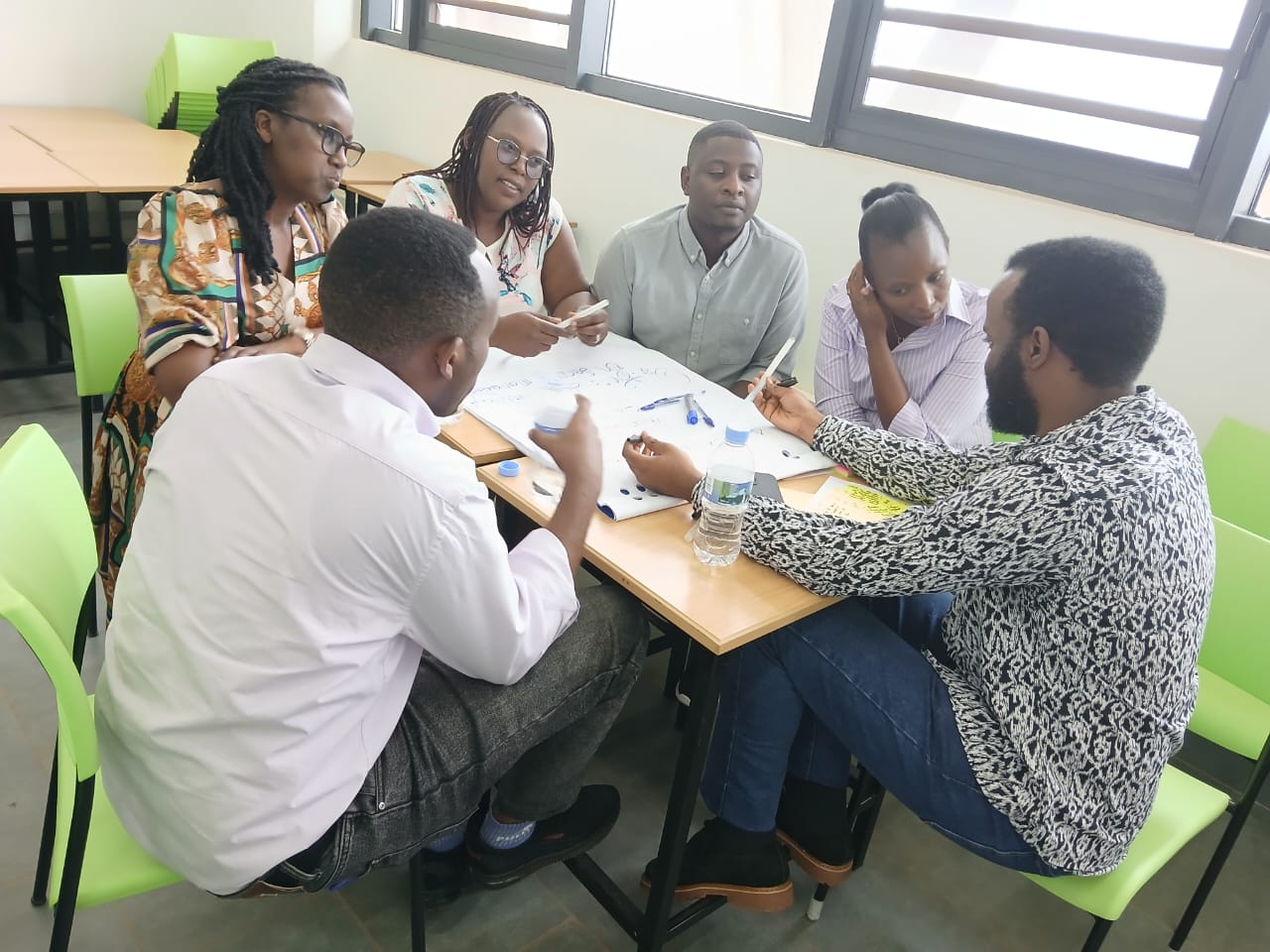
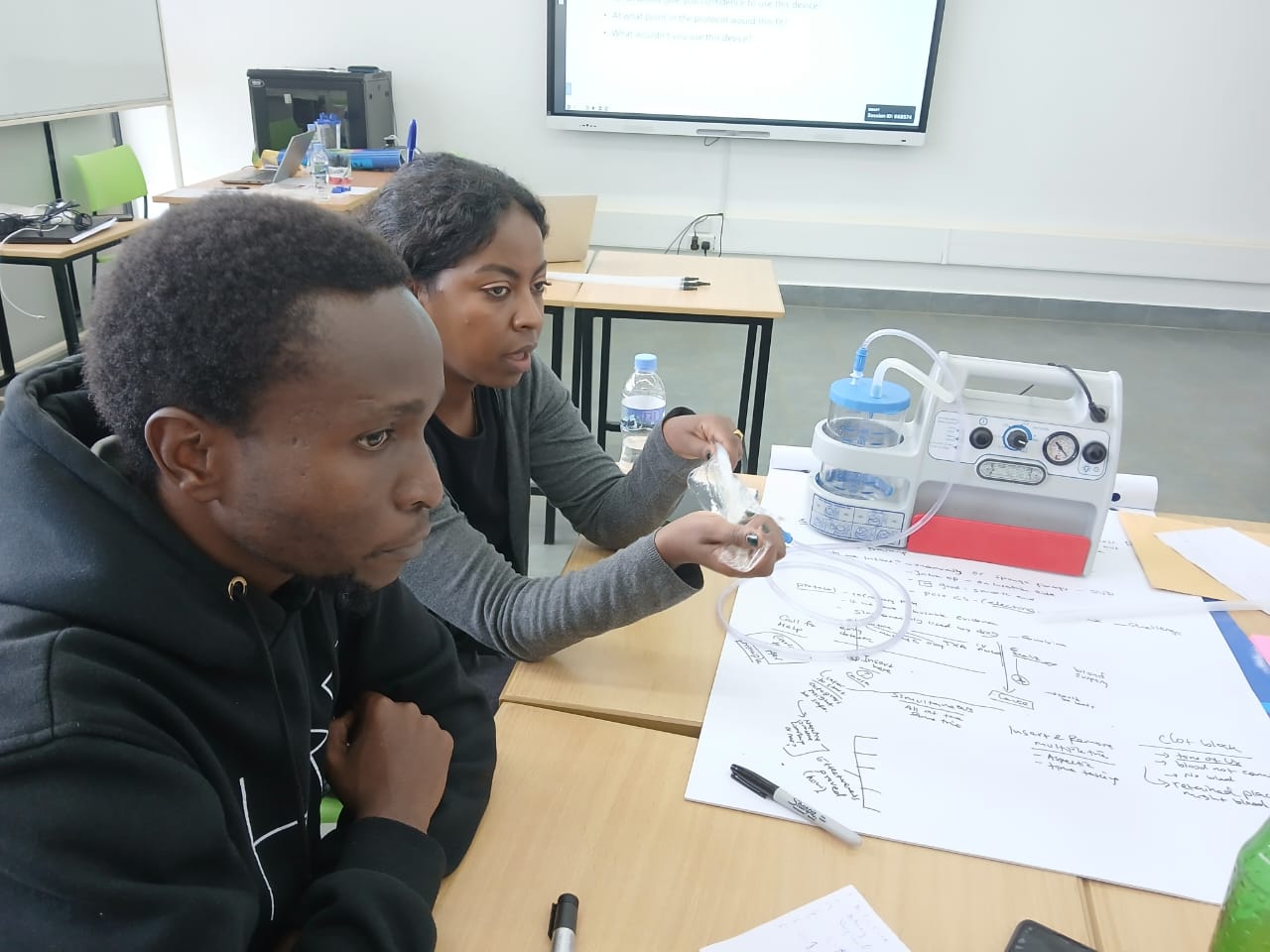
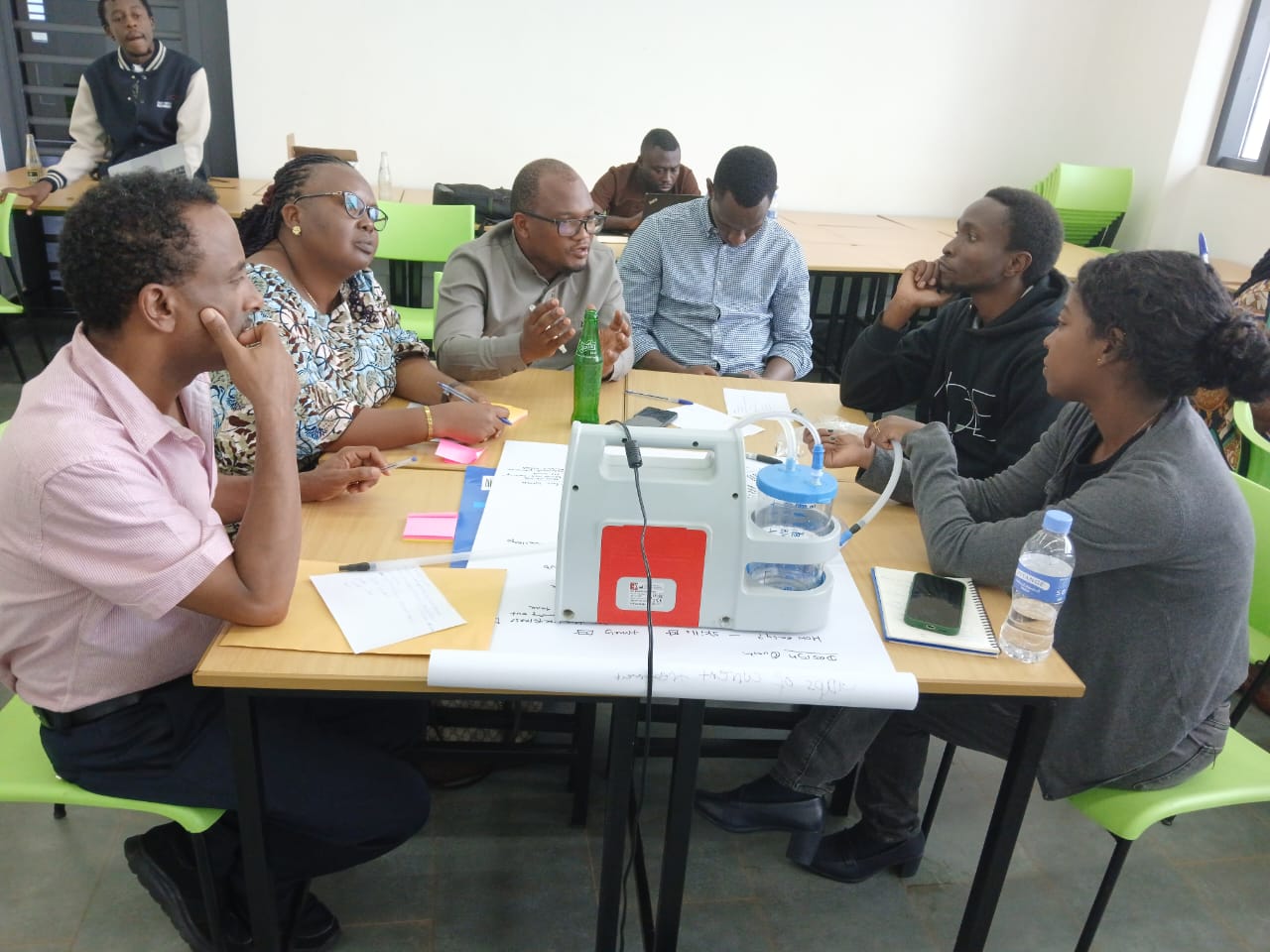
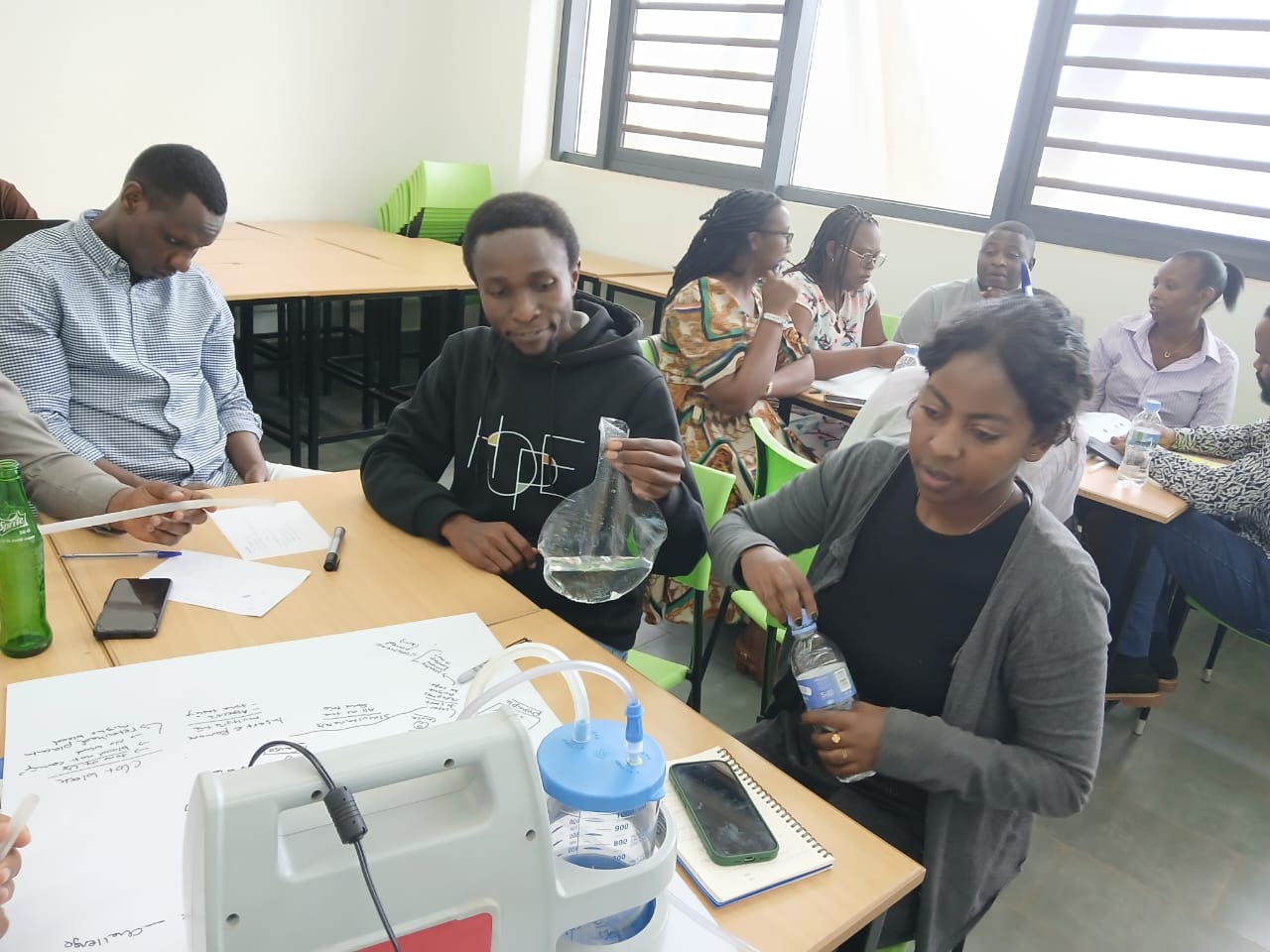
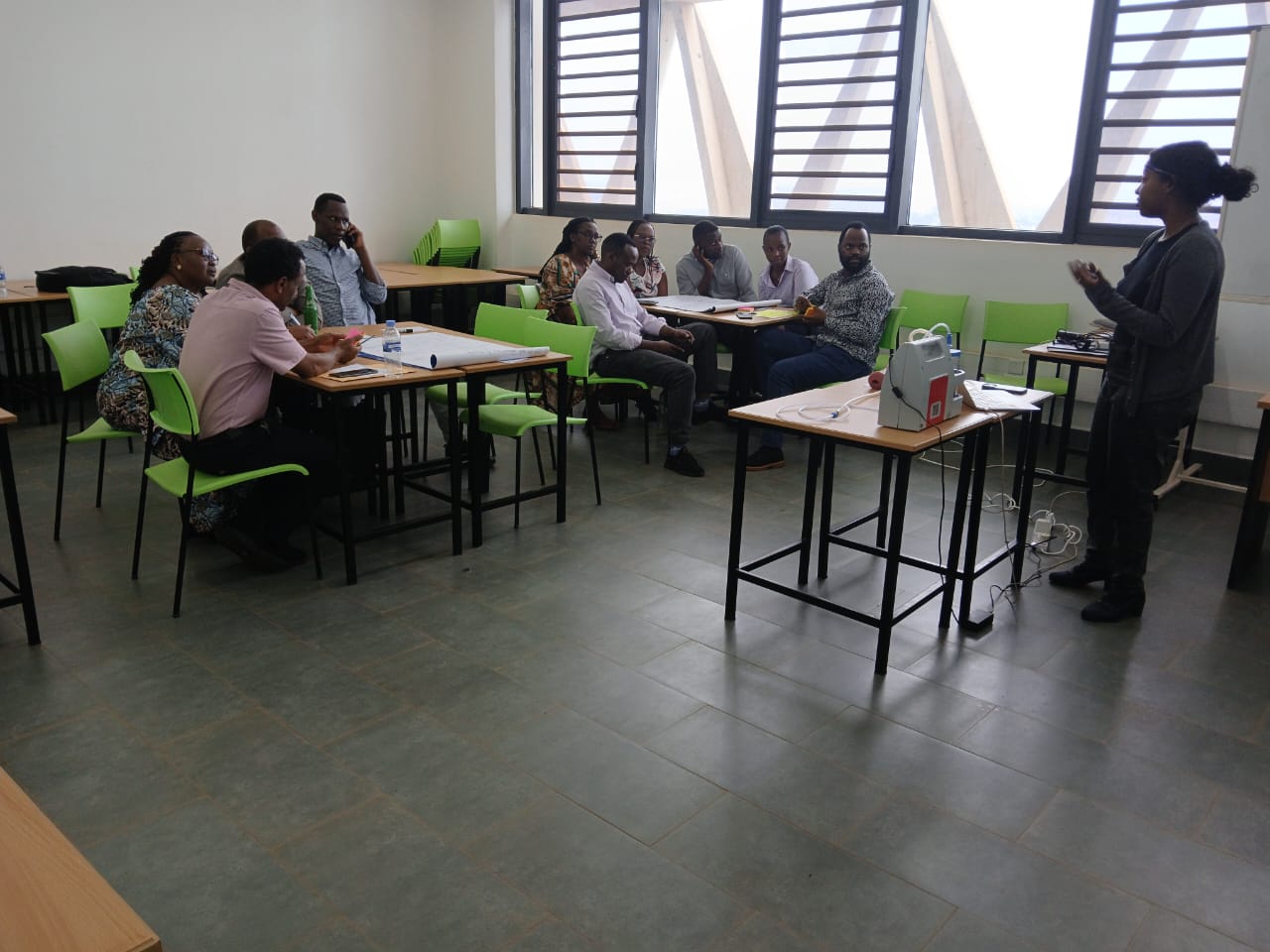
InnoHeza Validation Workshop — UR CEBE, 20 March 2026.