
Workshop & Training · UR CEBE
Medical Imaging Management (MIM)
Service organization, clinical examinations, and engineering — a five-day intensive program with international and Rwandan faculty.
About the Training
The Medical Imaging Management (MIM) training brings together the clinical, organizational, and engineering dimensions and updates them on modern radiology. Designed for biomedical engineers, radiology service managers, and health-sector decision makers, the training covered the full life cycle of medical imaging systems — from physical and image acquisition principles as well as image analysis. It also covered the radiology department organization and patient pathways, procurement, maintenance, and the technologies shaping the future of imaging.
A five-day intensive program combining expert-led courses, real case studies, a hospital site visit, and a final assessment of acquired knowledge and know-how.
Training Format
Venue
UR CEBE – Regional Centre of Excellence in Biomedical Engineering and eHealth, with a clinical day at King Fayçal Hospital, Kigali
Dates & Duration
Week of 25 May 2026
5-Day Intensive Training
Target Audience
CEBE Biomedical Master's students, RBC & RMS engineers and decision makers, radiology service managers, chief radiologists, and hospital biomedical engineers
Scope
Imaging modalities (CT, MR, SPECT & PET), service organization, clinical pathways, procurement & maintenance, and emerging technologies including AI
Curriculum Modules
- Review of imaging modalities: deep physical principles and the nature of images
- Digitalization, look-up tables, data transport and storage
- Image characteristics and performance: resolution, signal-to-noise ratio, contrast, point spread function, spatial frequencies
- Reconstruction of tomographic images (CT, MR, SPECT & PET)
- Comparison of modalities
- Modality and device selection
- Architecture, rooms, and organization of a radiology department
- Organization of staff work: secretaries, radiology technicians, nurses — team management, planning, skills, and education
- Team coherency, radiology specialties, medical organization, and recruitment
- Patient flow and clinical pathways
- Economic models
- Basics of radiological semiology and complementarities between modalities
- Prescription and patient pathways: diagnostics, prevention, and follow-up
- Clinical examples: emergencies, women's imaging, cardiovascular, and neurology imaging
- Teaching radiology and related techniques
- Exploration of clinical needs and innovation watching
- Tender organization and inclusion criteria: warranty periods, spare parts during and after guarantee, preventive maintenance programming, curative maintenance delays and penalties
- Full commissioning: testing, staff and technician training, security education, and documentation
- Requirements for quality assurance
- Prospects and innovations in medical imaging
- Convergence of interventional radiology and surgery
- Simulation for intervention preparation and for education
- Artificial intelligence in device cores — for physician support or substitution, education, and teaching
- New technologies: photon-counting CT, metabolic imaging and theranostics, mini C-arms for operating theatres, and more
Faculty & Speakers
The program is delivered by a distinguished international faculty from France, working alongside Rwandan clinical and academic leaders.
Prof. Elisabeth Dion
PUPH, Head of Radiology, Hôtel-Dieu de Paris
Bernard Bensadoun
Engineer & Hospital Director, Professor at EHESP
Prof. François Langevin
Emeritus Professor & Researcher, President of FL IH Int.
Speakers and contributors from Rwanda:
- Clinical Director, Radiologist, and Chief Maintenance Engineers from King Fayçal Hospital
- CEBE Docents and Professors
- Directors from Rwanda Biomedical Centre (RBC) and Rwanda Medical Supply (RMS)
Who Attended
- Final-year students of the CEBE Biomedical Master's program (University of Rwanda and affiliated foreign students)
- Experienced engineers and decision makers from Rwanda Biomedical Centre (RBC) and Rwanda Medical Supply (RMS)
- Radiology service managers or chief radiologists of hospitals, and experienced hospital biomedical engineers
Training Gallery
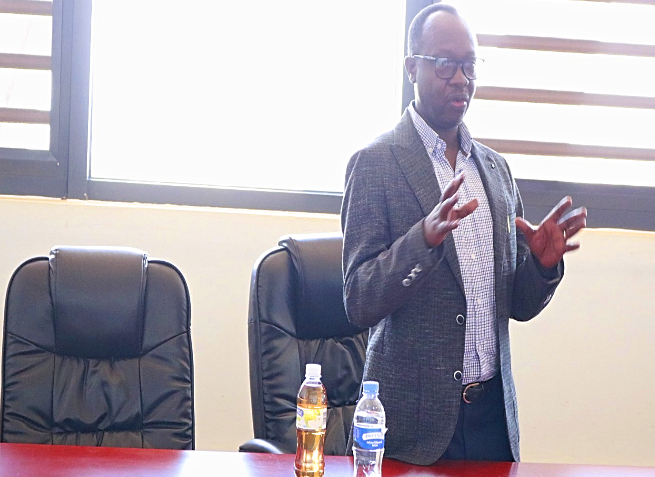
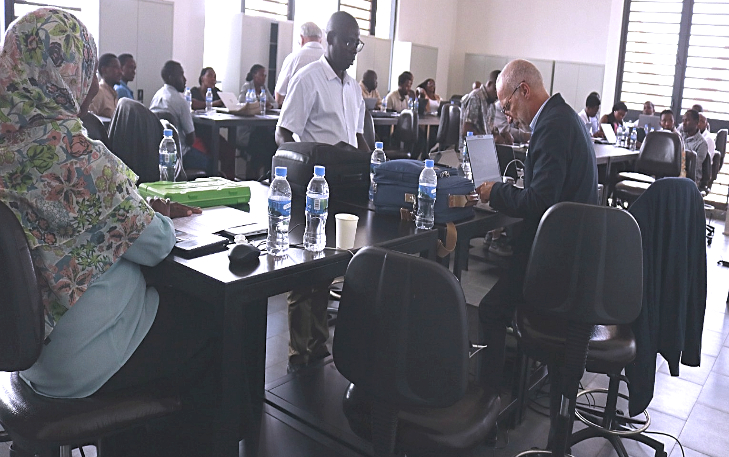
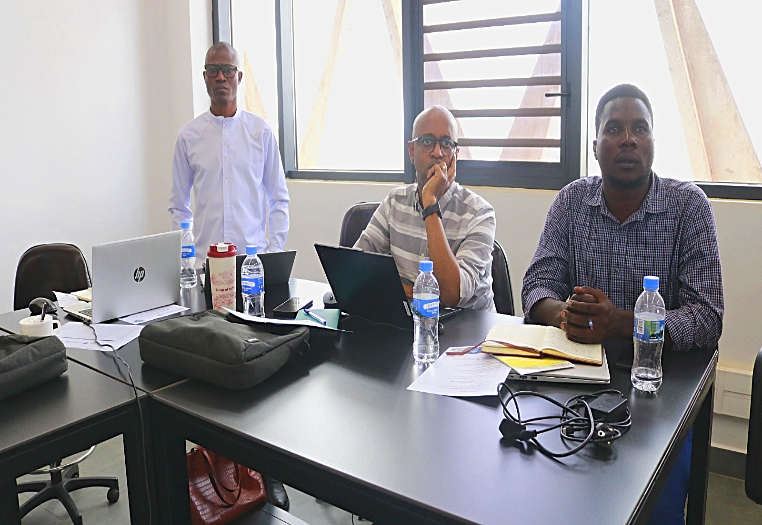
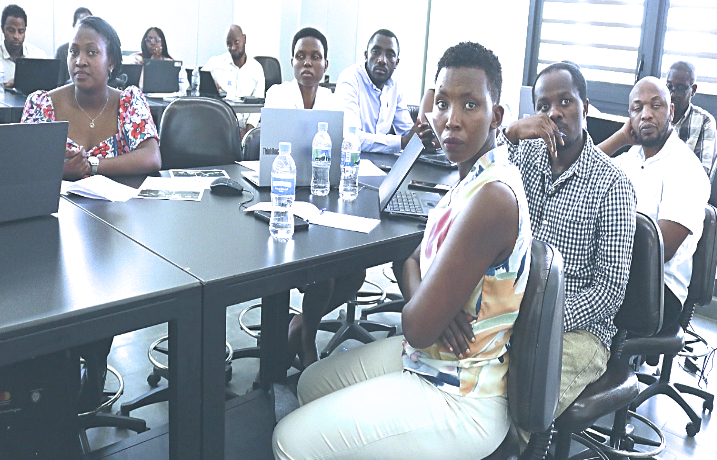
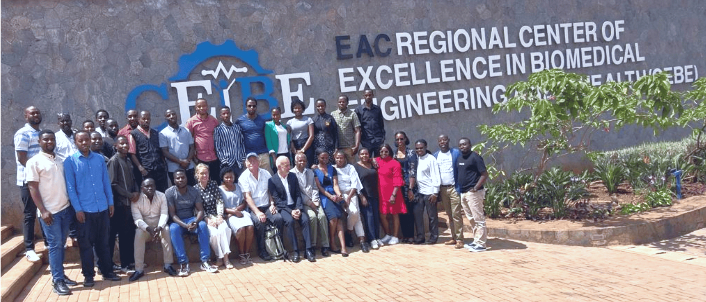
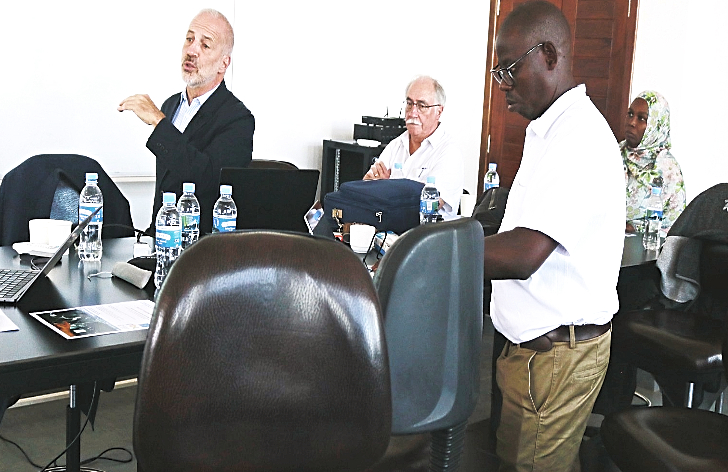
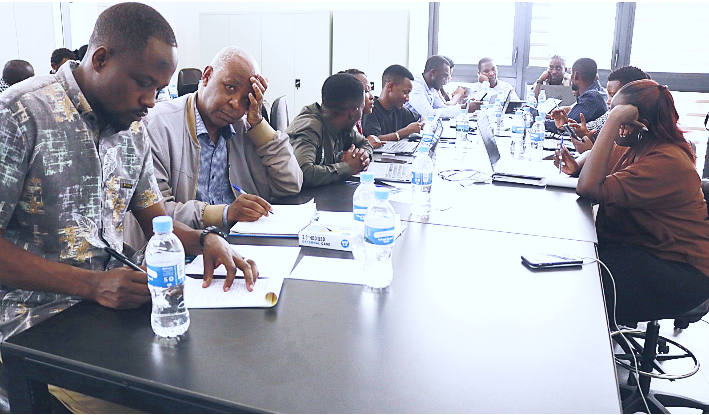
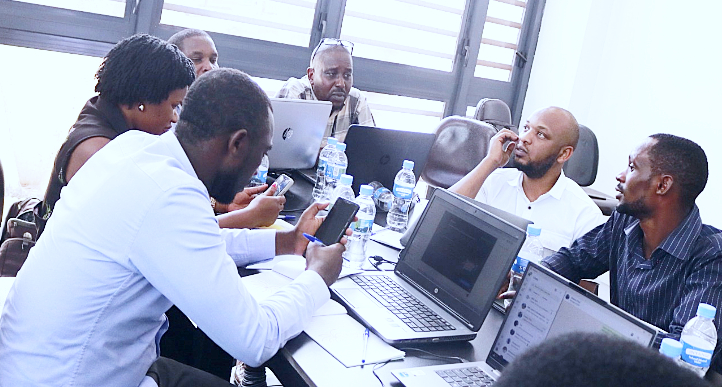
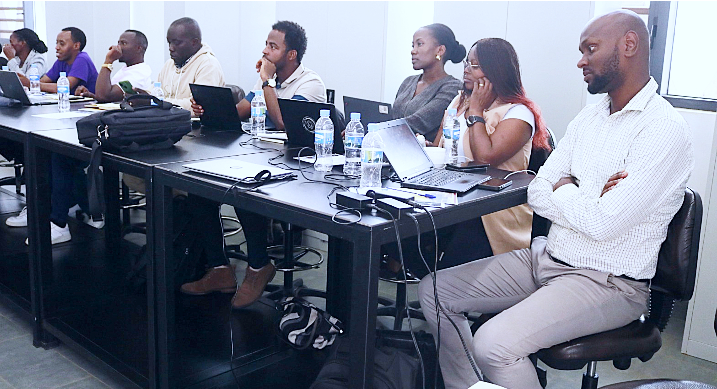
Medical Imaging Management Training — UR CEBE, Kigali, May 2026.