

Research Training in Data Science for Health in Rwanda
Building sustainable capacity in data science for health through partnerships between Washington University, University of Rwanda, and African Institute for Mathematical Sciences
DST-HIRWA Project
Developing the next generation of data scientists to address health priorities in Rwanda
The Research Training in Data Science for Health in Rwanda (DST-HIRWA Project) is a NIH-funded Research Training Program (U2R) that partners Washington University (St. Louis), the University of Rwanda, and the African Institute for Mathematical Sciences in Kigali to develop sustainable capacity in data science for health in Rwanda.
The program supports degree and short-term training (master's, PhD, post-doc, junior faculty), provides stipends and research funding, and combines boot camps, monthly webinars, grant & manuscript writing training, and mentored small research projects to prepare a new generation of data scientists to address both communicable and non-communicable disease priorities in Rwanda.
Training Components
- Cohort support with stipends and research funding
- Cross-disciplinary curriculum development
- Week-long boot camps and workshops
- Monthly webinars and annual meetings
- Mentored small research projects (SRPs)
- Grant & manuscript writing training
Curriculum Focus Areas
- Computer Science & Informatics
- Statistics & Mathematics
- Biomedical Science
- Public Health
- Infectious Diseases
- Non-Communicable Diseases (NCDs)
Project Goals
Strategic objectives for sustainable capacity building in data science for health
Train Local Data Scientists
Develop a local cadre of data scientists with health-research skills, supporting MS, PhD, post-doctoral, and junior faculty training with comprehensive stipends and research funding.
Expand Interdisciplinary Curriculum
Develop and adapt a comprehensive interdisciplinary curriculum in Data Science for Health spanning computer science, statistics, mathematics, and biomedical/public health domains.
Provide Research Experience
Offer hands-on research experience and mentoring so trainees can design, submit, and complete small research projects relevant to Rwanda's health priorities.
Build Institutional Capacity
Strengthen institutional capacity at the University of Rwanda to enable a sustainable, Rwandan-led training program with explicit transition planning.
Events & Workshops
Comprehensive capacity building programs in data science and research
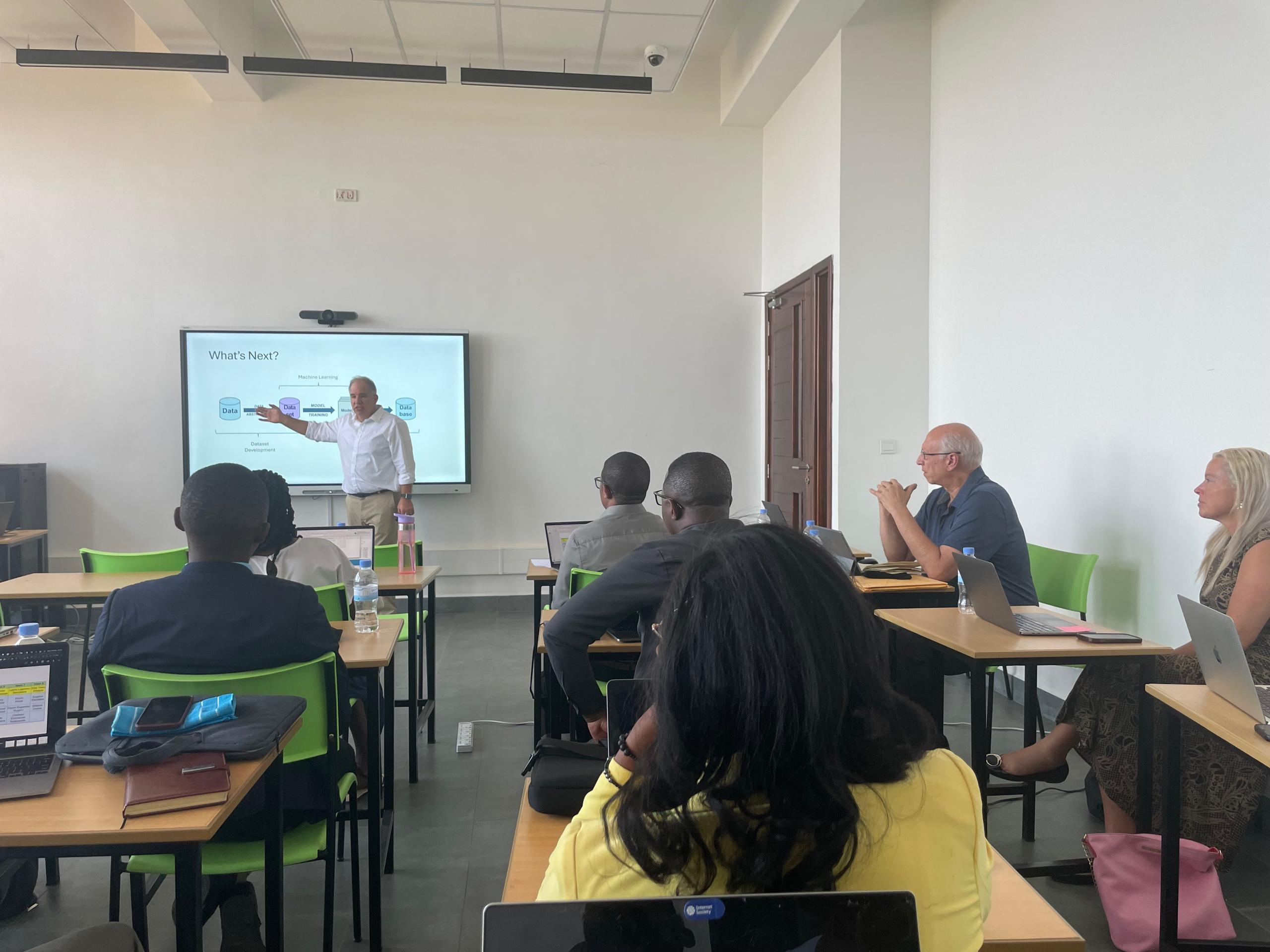
Datathon Training at UR-CEBE
Intensive data analytics training program bringing together students and researchers to tackle real-world health data challenges. Participants learned advanced data analysis techniques, collaborative problem-solving approaches, and practical applications in health research.
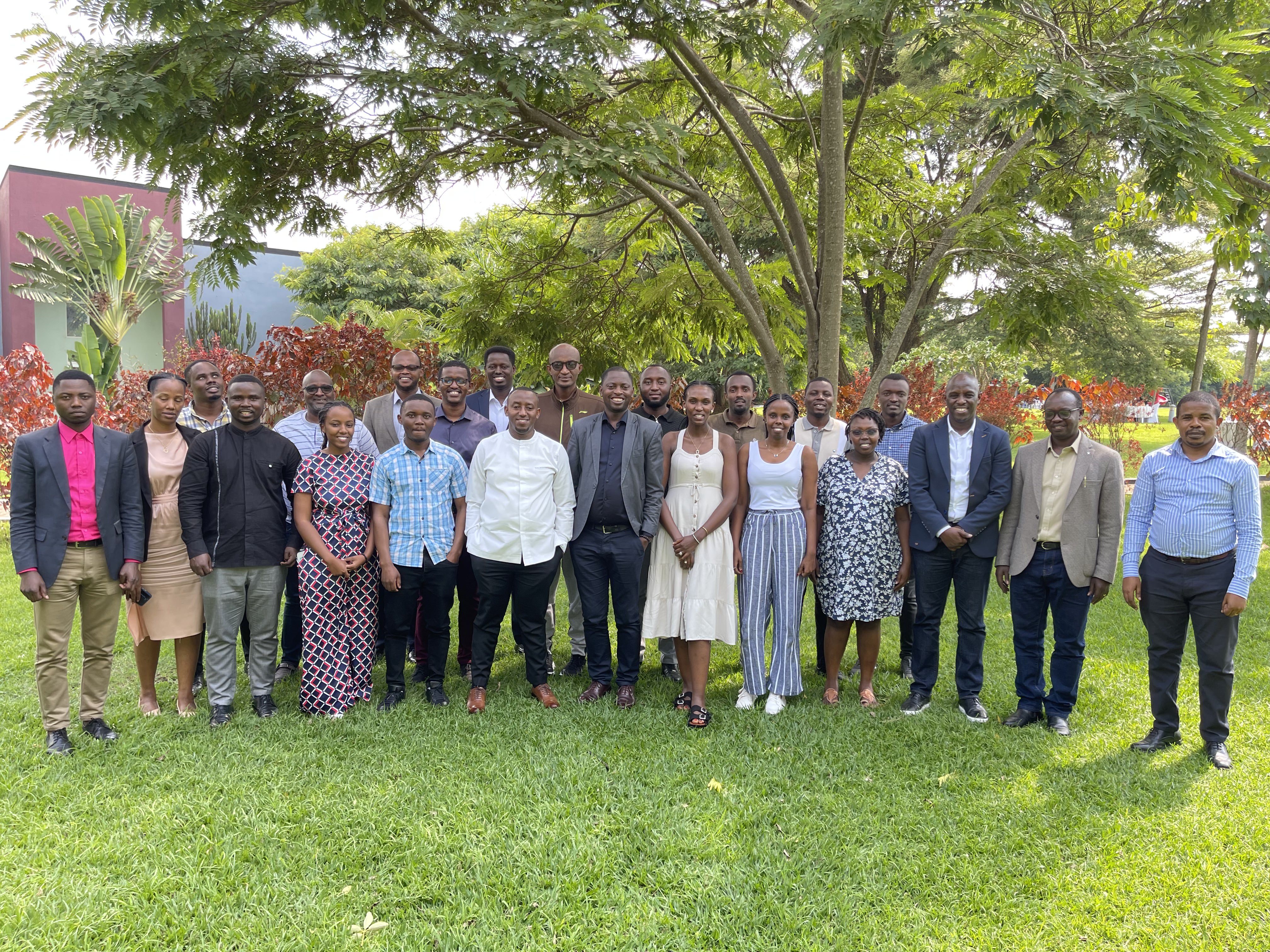
NIH Grants Management Training
Comprehensive five-day training on NIH grant application processes, research funding strategies, budget management, and compliance requirements. Participants received certificates upon successful completion, preparing them for competitive grant submissions.
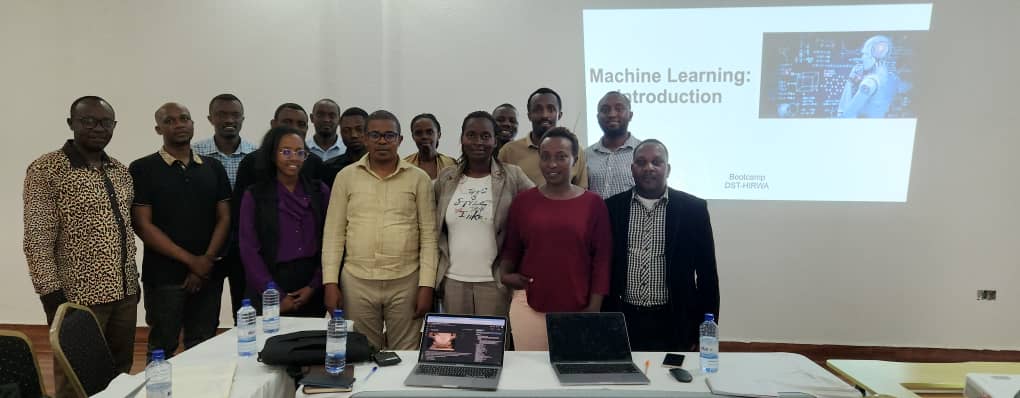
Data Analytics & Machine Learning Bootcamp
Intensive five-day bootcamp covering fundamental and advanced topics in data analytics, machine learning algorithms, model evaluation, and practical applications in health research and biomedical sciences with hands-on coding exercises.
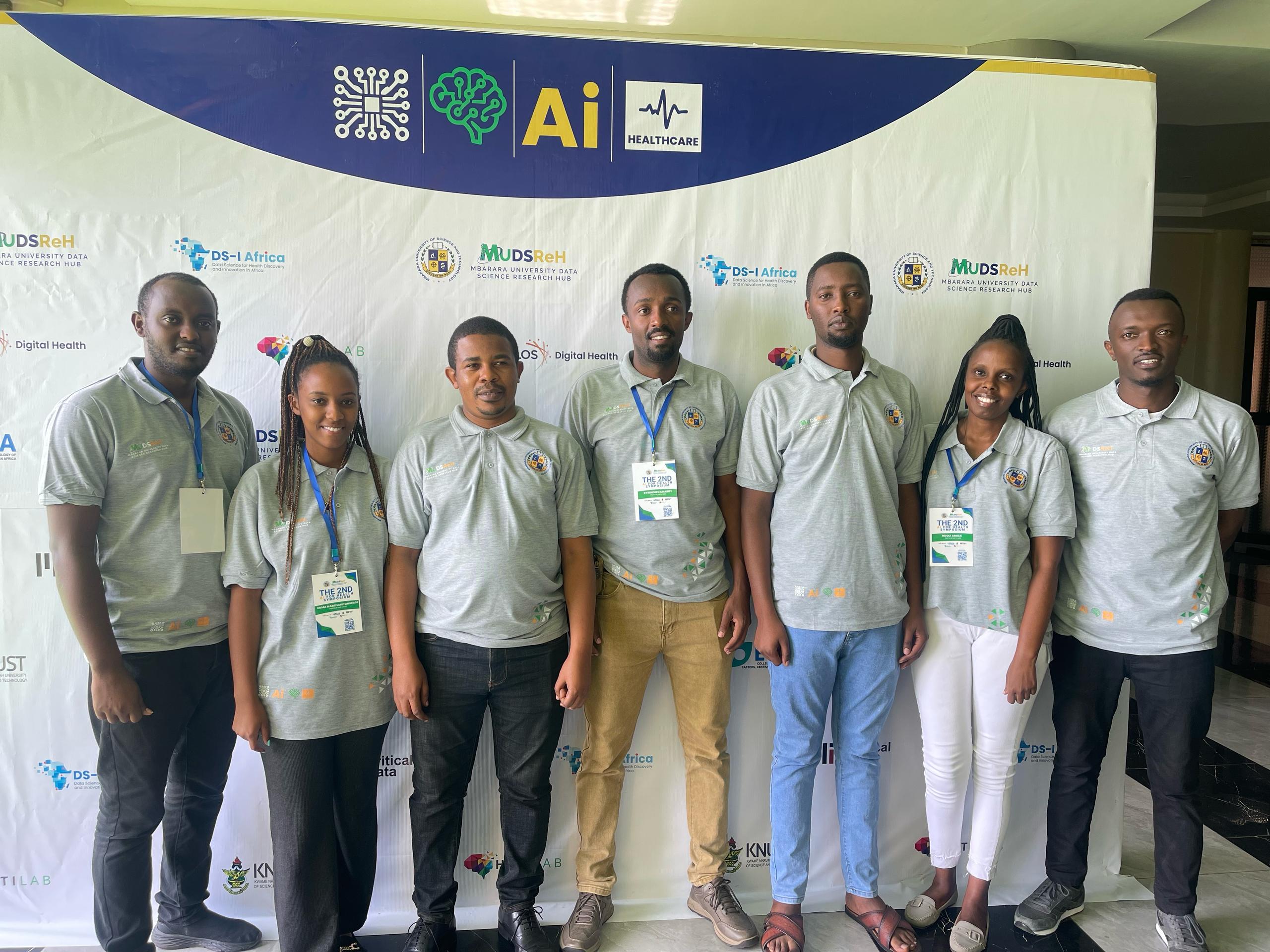
Artificial Intelligence Symposium
Three-day symposium exploring the latest advances in AI for healthcare, featuring presentations from researchers across Africa. Topics included machine learning in diagnostics, AI ethics, digital health innovations, and future directions in health AI.
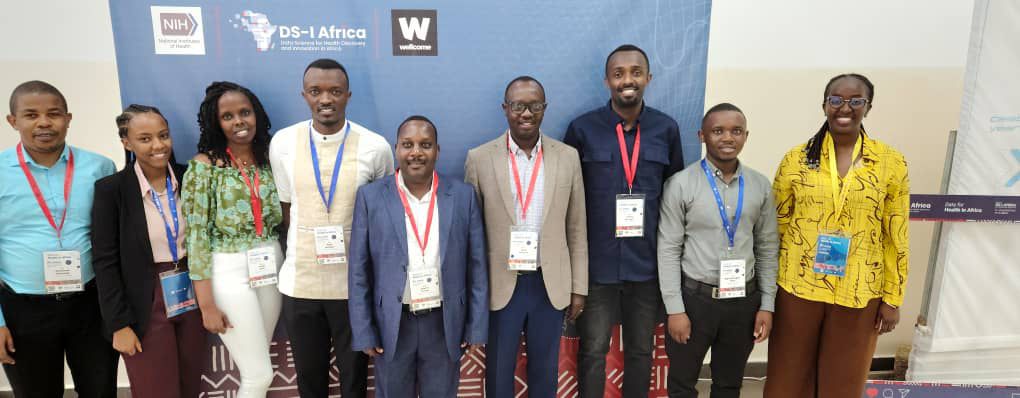
5th DS-I Africa Consortium Meeting
Annual gathering of the Data Science for Health Discovery and Innovation in Africa (DS-I Africa) consortium, bringing together researchers, funders, and partners to share progress, discuss challenges, and plan collaborative research initiatives.
Peer-Reviewed Publications
Scientific contributions by DST-HIRWA trainees and affiliated investigators
Prediction of adverse pregnancy outcomes using machine learning techniques: evidence from analysis of electronic medical records data in Rwanda
BMC Medical Informatics and Decision Making, 25(1):76.
View PublicationBayesian Estimation of Neyman–Scott Rectangular Pulse Model Parameters in Comparison with Other Parameter Estimation Methods
Water, 16(17), 2515.
View PublicationFactors associated with postpartum family planning use in Rwanda
Contraception and Reproductive Medicine, 9:1.
View PublicationSpatiotemporal Trends in Stunting Prevalence Among Children Aged Two Years Old in Rwanda (2020–2024): A Retrospective Analysis
Nutrients, 17(17), 2808.
View PublicationEffectiveness of the national HIV pre-exposure prophylaxis (PrEP) programme among female sex workers in Rwanda: a retrospective cohort study
Sexually Transmitted Infections, 101(7):475-478.
HIV and hepatitis B, C co-infection and correlates of HIV infection among men who have sex with men in Rwanda, 2021: a respondent-driven sampling, cross-sectional study
BMC Infectious Diseases, 24:347.
Rift Valley Fever Epizootic, Rwanda, 2022
Emerging Infectious Diseases, 30:2191-2193.
Spatio-temporal dynamics of malaria in Rwanda between 2012 and 2022: a demography-specific analysis
Infectious Diseases of Poverty, 13(1):67.
View PublicationCancer risk among people living with Human Immunodeficiency Virus (HIV) in Rwanda from 2007 to 2018
International Journal of Cancer, 155(12):2149-2158.
View PublicationEstimation of the Population Size of Street- and Venue-Based Female Sex Workers and Sexually Exploited Minors in Rwanda in 2022: 3-Source Capture-Recapture
JMIR Public Health and Surveillance, 10:e50743.
Partner Institutions
Working together to advance data science education and research in Africa
Washington University
St. Louis
University of Rwanda
UR-CEBE
African Institute for
Mathematical Sciences
National Institutes
of Health (NIH)
DS-I Africa
Consortium
MUDSReH
Project Contacts
Connect with the DST-HIRWA project team
Prof. David K. Tumusiime
Multiple Principal Investigator
+250 788 749 398
Assoc. Prof. Celestin Twizere
Multiple Principal Investigator
+250 788 634 578