

Conference & Strategic Meetings · DST-HIRWA & SYNAPSE
Advancing Data Science for Health in Rwanda: Celebrating Achievements, Sharing Evidence, and Shaping the Future
Datathon, Stakeholder Engagement, Recognition and Research Dissemination, and Strategic Meetings — a three-day series of linked activities organized by the University of Rwanda, Washington University in St. Louis, and AIMS Rwanda.
Background and Rationale
Data science is increasingly central to health research, health-system planning, innovation, and evidence-informed decision-making. In Rwanda, investments in data science training and research have created important opportunities to strengthen the capacity of researchers, health professionals, and institutions to generate, analyze, interpret, and communicate evidence that responds to priority health challenges.
On 22 September 2021, Washington University in St. Louis (WashU), the University of Rwanda (UR), and the African Institute for Mathematical Sciences (AIMS) in Kigali secured a National Institutes of Health (NIH) U2R grant to expand an existing curriculum for innovative and interdisciplinary data science training for health research and practice across computer science and informatics, statistics and mathematics, and biomedical sciences and public health. Through DST-HIRWA, this collaboration has supported training, mentorship, research, and capacity strengthening in data science for health.
The SYNAPSE project, the Synthetic Healthcare Data Platform for Data Science, started in August 2023 and is implemented by the three institutions together with MDClone, a software company whose self-service analytics platform generates computationally derived synthetic healthcare data. SYNAPSE bridges major gaps in data science training, namely limited large datasets for trainee research projects and security issues related to personal health information (PHI). Its three objectives are:
- Training program faculty and U2R trainees in the use of synthetic healthcare data (MDClone software).
- Delivering a mentored, hands-on, immersive, semester-long research project experience using synthetic healthcare data.
- Evaluating the short-term training and the semester-long research project.
As both projects progressed toward their end, there was a need not only to showcase the work produced by trainees, but also to create structured opportunities for technical exchange, recognition of achievements, research dissemination, stakeholder engagement, and strategic reflection on the future of the initiatives. A three-day series of linked activities was therefore held from 19 to 21 October 2026.
Overall goal: to consolidate and showcase the achievements of DST-HIRWA and SYNAPSE, strengthen technical and stakeholder engagement around data science for health, and jointly identify practical pathways for future collaboration, institutionalization, and sustainability in Rwanda.
Programme at a Glance
Expected Overall Results
- DST-HIRWA and SYNAPSE trainee work showcased, discussed, and strengthened through technical feedback and peer exchange.
- Project achievements, research findings, innovations, lessons, and best practices communicated to a wider stakeholder audience.
- Beneficiaries formally recognized for their participation and achievements.
- The future direction and sustainability of the Datathon discussed by trainers and project management teams.
- Rwanda and WashU teams aligned on project priorities, sustainability considerations, and follow-up actions.
- MoH, RBC, NCST, NHIC, the Rwanda project teams, and WashU engaged in strategic dialogue on project usefulness, future collaboration, and sustainability.
- Priority recommendations and next steps for strengthening data science for health collaboration in Rwanda documented.
The Activities
Rwanda–WashU Planning and Sustainability Meeting. An internal alignment session between the Rwanda and WashU project teams before the Datathon and the stakeholder event.
Specific objectives
- Review and align the implementation plan, roles, responsibilities, and expected outcomes for the Datathon and the stakeholder event.
- Review progress, achievements, lessons, and implementation experiences from DST-HIRWA and SYNAPSE.
- Discuss the future direction of the projects, including priorities for sustaining the capacities, partnerships, and activities developed.
- Identify strategic issues and key messages for the national stakeholder meeting of 21 October.
- Agree on priority follow-up actions and responsibilities for continued Rwanda–WashU collaboration.
Outputs
- A shared implementation plan and clear roles for the activities of 20 October.
- Common understanding of key achievements, lessons, and sustainability issues.
- Agreed priority issues and messages for engagement with national stakeholders.
- Initial follow-up actions for future Rwanda–WashU collaboration.
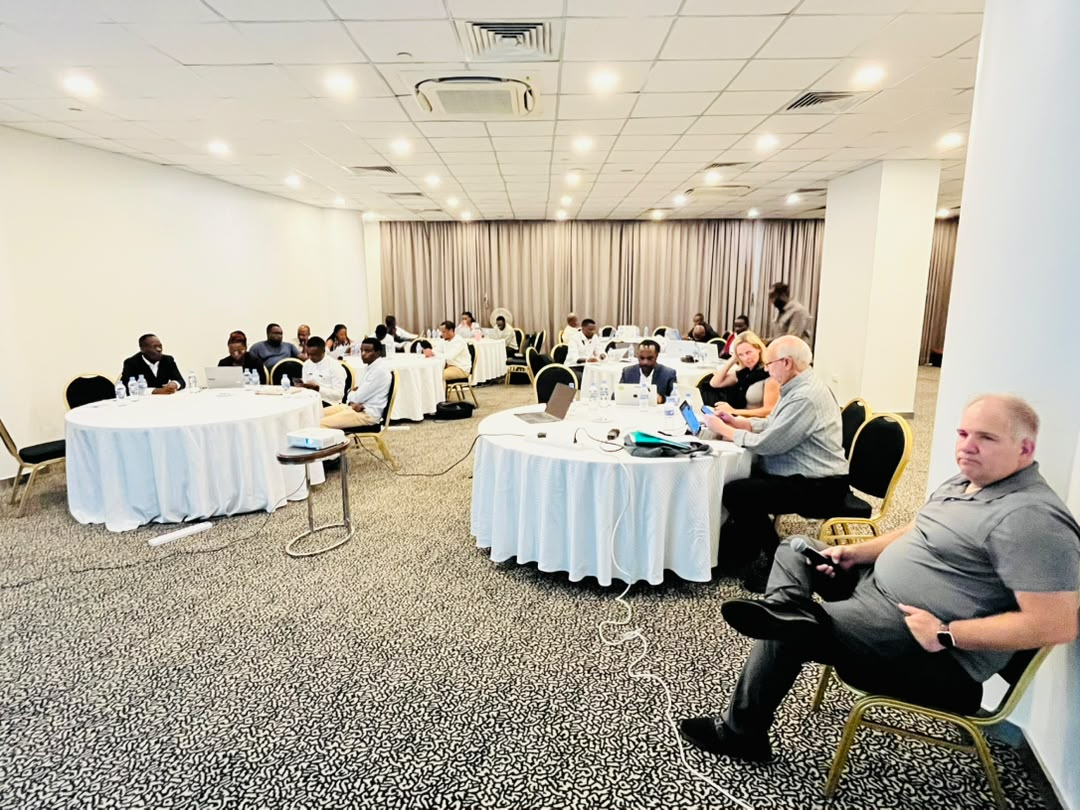
A structured technical forum for DST-HIRWA and SYNAPSE trainees to present their work, receive feedback, exchange ideas, and discuss their analyses with trainers, peers, and project teams. It also created dedicated space for trainers and project management teams to reflect on the value, format, and future direction of the Datathon.
Specific objectives
- Provide trainees with a platform to present and discuss their data science work, analyses, research outputs, and emerging findings.
- Facilitate constructive technical feedback among trainees, trainers, mentors, and project teams.
- Promote peer learning, interdisciplinary discussion, and the sharing of analytical approaches across the two projects.
- Identify opportunities to strengthen the quality, relevance, and visibility of trainee work.
- Enable trainers and project teams to discuss the future purpose, format, and sustainability of the Datathon.
Outputs
- Trainee work presented and discussed with peers and technical teams.
- Technical feedback and lessons documented for follow-up.
- Shared reflections on strengths and areas for improvement of the Datathon model.
- Priority recommendations for the future direction and sustainability of the Datathon.
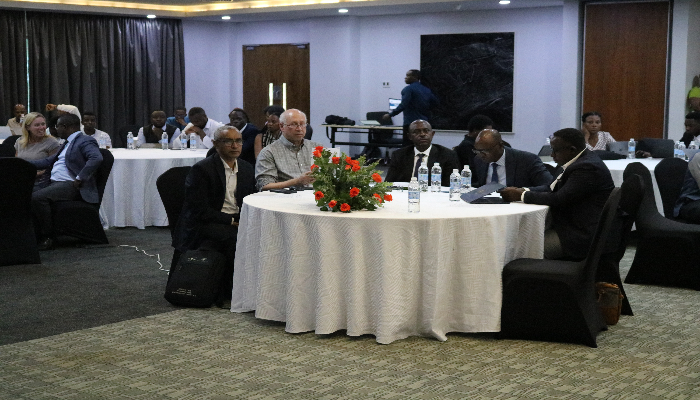
An event showcasing the achievements and contributions of DST-HIRWA and SYNAPSE, with research dissemination, formal recognition of beneficiaries, stakeholder discussions, and networking, linking project outputs to wider discussions on the future of data science for health in Rwanda.
Specific objectives
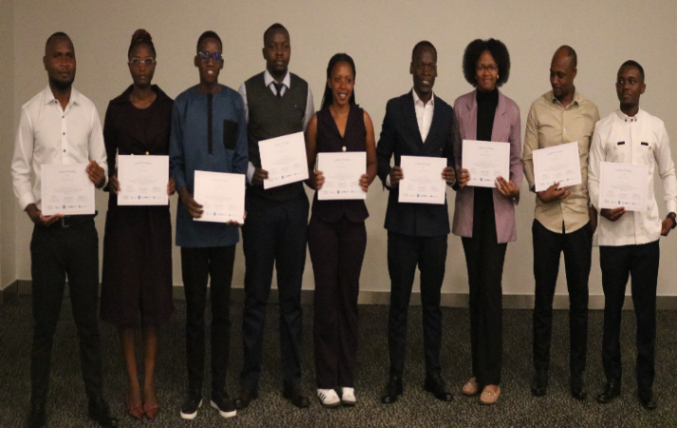
- Formally recognize and award certificates to program beneficiaries for successful completion of their training.
- Disseminate key program outputs, including research findings, innovations, lessons learned, and best practices.
- Facilitate dialogue among policymakers, researchers, beneficiaries, academic institutions, development partners, and other stakeholders.
- Highlight the contribution of DST-HIRWA and SYNAPSE to national and regional capacity in data science for health.
- Strengthen partnerships and identify priorities for sustainability, collaboration, institutionalization, and scale-up.
Results
- Increased awareness of the achievements and contributions of DST-HIRWA and SYNAPSE.
- Findings, innovations, lessons, and best practices disseminated to relevant stakeholders.
- Beneficiaries formally recognized and awarded certificates.
- Strengthened dialogue across the health, academic, research, policy, and data science sectors.
- Key recommendations for sustaining and expanding data science for health initiatives identified.
National Stakeholder Partnership and Sustainability Meeting. Brought together the Rwanda and WashU teams with the Ministry of Health (MoH), Rwanda Biomedical Centre (RBC), National Council for Science and Technology (NCST), and National Health Intelligence Centre (NHIC).
Specific objectives
- Discuss the usefulness, relevance, and contributions of DST-HIRWA and SYNAPSE to data science for health in Rwanda.
- Gather stakeholder perspectives on priority data science for health needs.
- Identify opportunities for future collaboration among the Rwanda team, WashU, MoH, RBC, NCST, NHIC, and other institutions.
- Discuss practical approaches to sustainability, including institutional ownership and integration within existing structures.
- Agree on priority next steps, responsibilities, and areas needing further consultation.
Outputs
- Stakeholder perspectives on the usefulness and future relevance of the projects documented.
- Priority areas for future institutional and technical collaboration identified.
- Potential sustainability pathways and institutional roles discussed.
- Agreed next steps for continued engagement among participating institutions.
Conclusion
The three days connected trainee learning and research with recognition, dissemination, institutional reflection, and national stakeholder engagement. By sequencing internal strategic planning, technical exchange through the Datathon, broader stakeholder engagement and research dissemination, and a final national-level strategic discussion, the series supported both reflection on achievements and forward-looking decisions on collaboration and sustainability. Key recommendations, lessons, and priority actions emerging from the three days are being documented to guide future programming, institutional collaboration, capacity strengthening, and the sustainability of data science for health initiatives in Rwanda.
Event Gallery
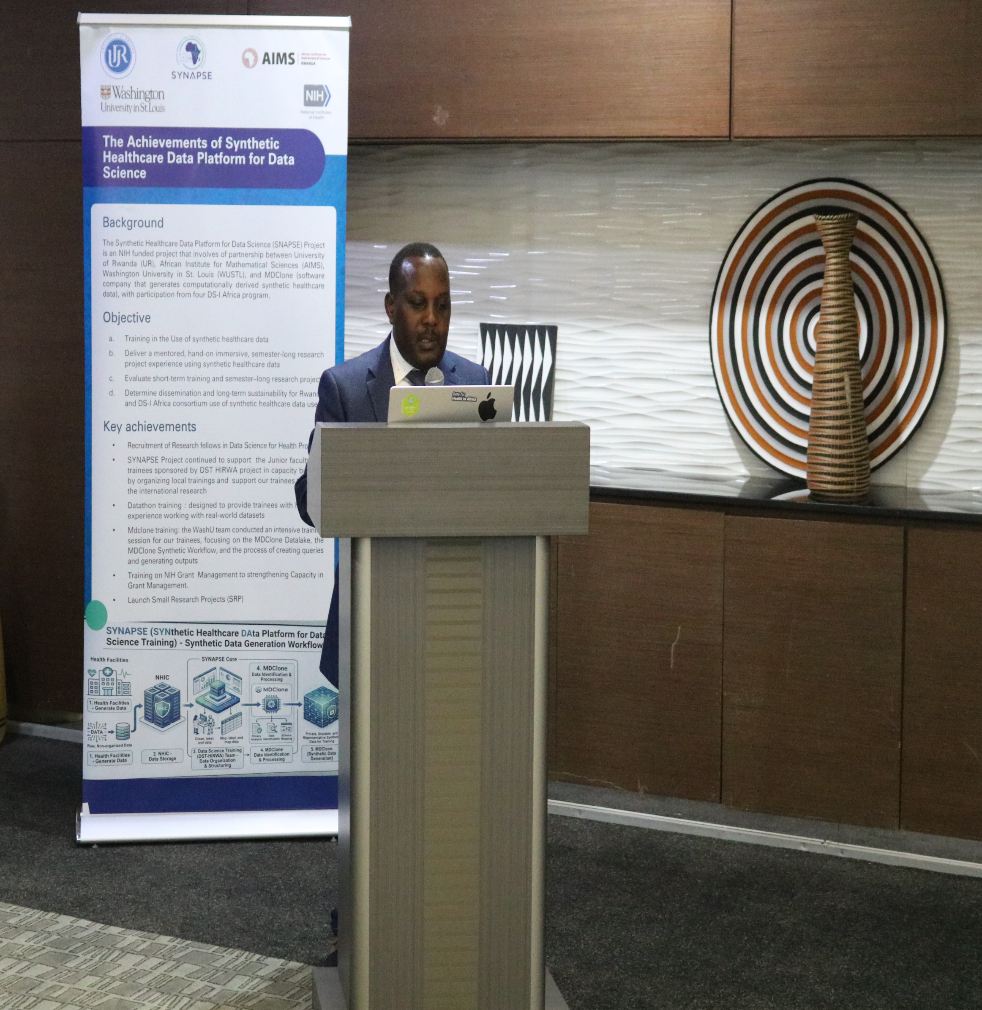
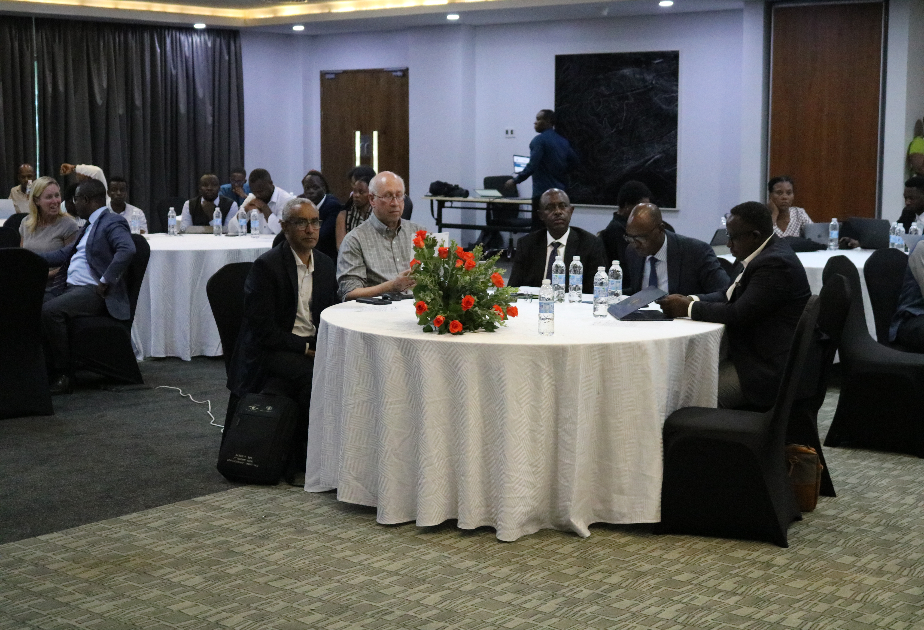
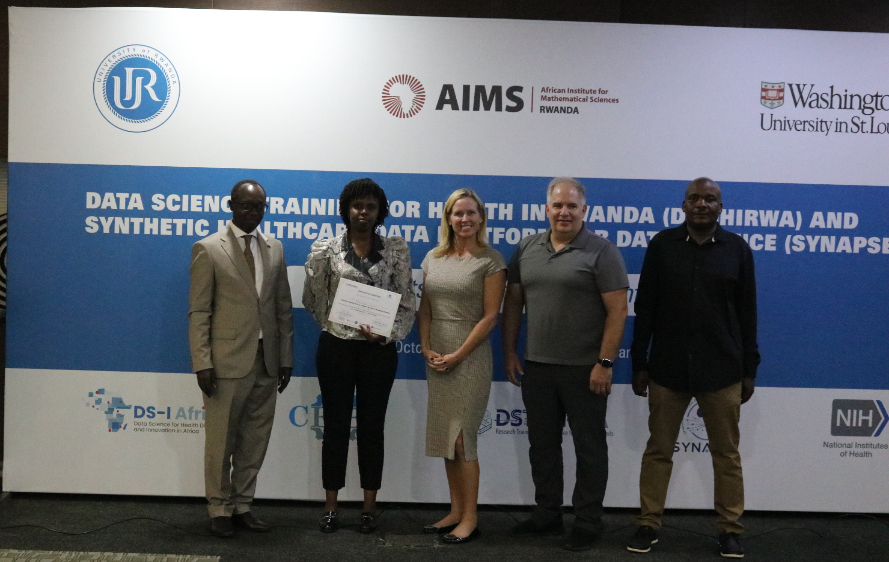
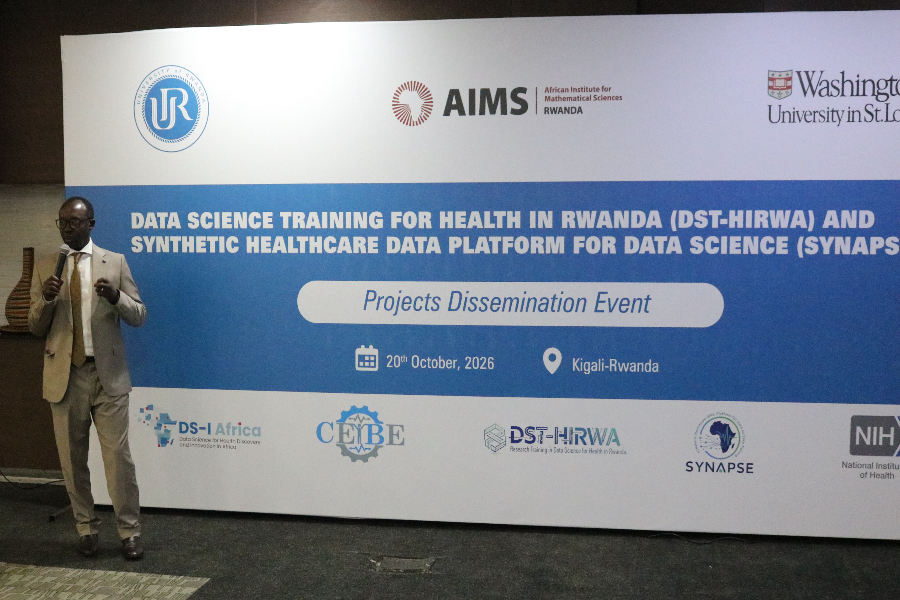
Advancing Data Science for Health in Rwanda — Kigali, 19–21 October 2026.