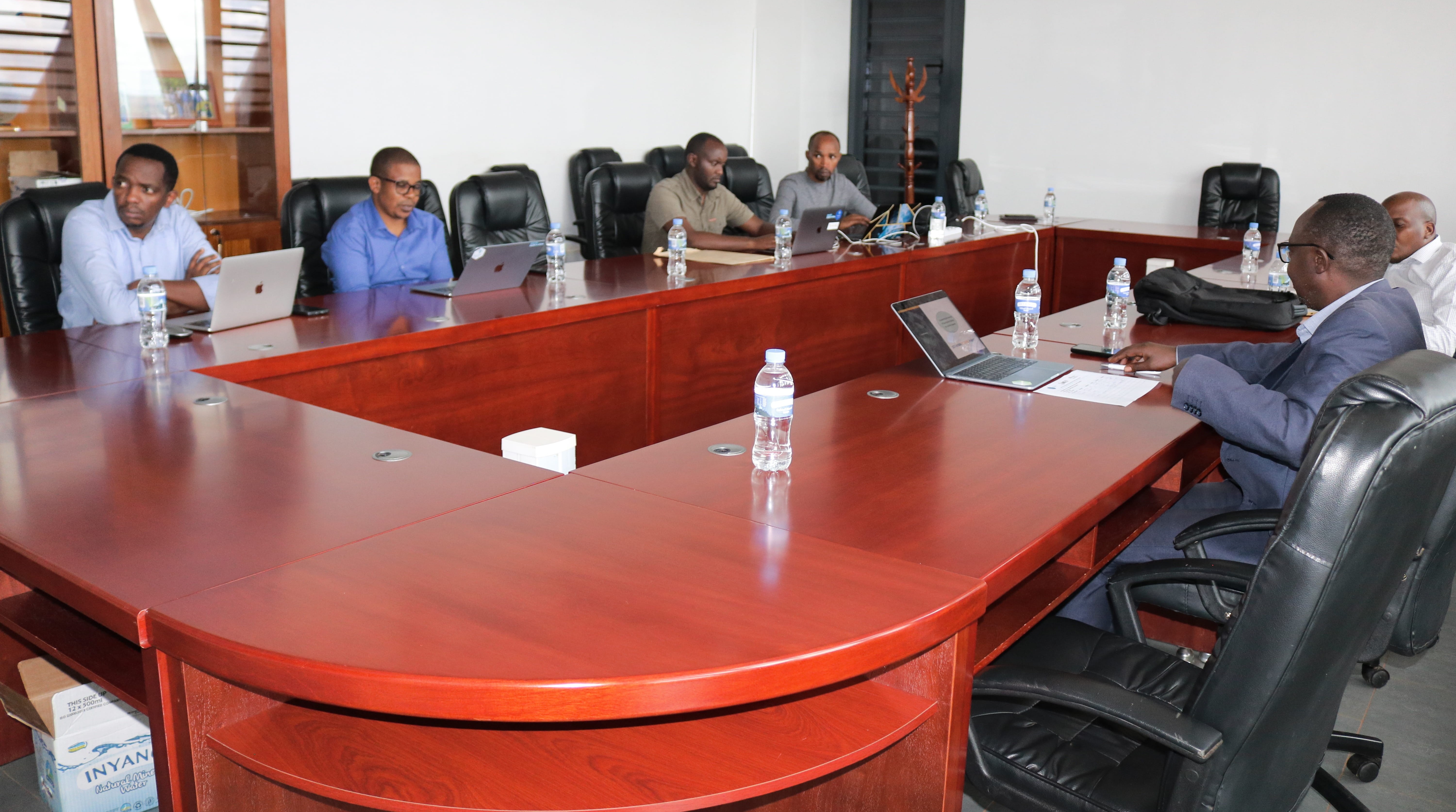
DST-HIRWA is a U.S. National Institutes of Health–funded partnership between Washington University, the University of Rwanda, and AIMS Kigali — training the next generation of Rwandan data scientists to solve Africa's most pressing health challenges.
The Research Training in Data Science for Health in Rwanda (DST-HIRWA) is a NIH-funded U2R program jointly led by Washington University in St. Louis, the University of Rwanda's Centre of Excellence in Biomedical Engineering & e-Health (UR-CEBE), and the African Institute for Mathematical Sciences (AIMS) Kigali.
The program prepares Rwandan researchers — from master's students to junior faculty — to harness data science in tackling both communicable and non-communicable disease challenges across Rwanda and the wider African region.
Training combines intensive boot camps, monthly webinars, grant and manuscript writing workshops, and mentored small research projects (SRPs) designed to translate skills directly into scientific output and health impact.
Read the full program overviewWhether you are a prospective trainee, a potential collaborator, or a researcher interested in health data science in Rwanda — we would love to hear from you.
DST-HIRWA is powered by a network of leading institutions across the U.S. and Africa.